The National Assembly of Panama has approved a controversial bill that would criminalize paternity fraud, potentially sending women to prison for deliberately misleading men about the biological parentage of a child.
Lawmakers passed Bill 510 during its third debate with overwhelming support, recording 42 votes in favour, with no votes against or abstentions.
If enacted, the proposed law would make it a criminal offence for a person to intentionally deceive a man into believing he is the biological father of a child when he is not.
Under the legislation, those found guilty could face prison sentences ranging from two to five years, financial penalties and possible civil liability for damages caused.
The bill targets cases where a man is knowingly misled into assuming long-term financial, emotional and legal responsibility for a child that is not biologically his.
The proposed law also provides for tougher penalties in aggravated cases, including situations where the deception continues for more than five years, involves more than one child or results in repeated financial gain.
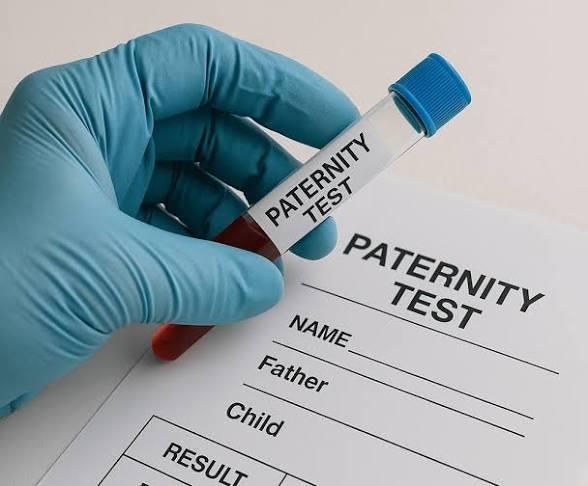
As part of the reforms, mandatory DNA testing would be introduced in disputed paternity cases to establish biological parentage.
The legislation further allows affected men to seek financial compensation from the biological father if it is proven that he knowingly concealed the truth.
Despite the tough stance, lawmakers included provisions aimed at protecting children, ensuring that minors continue receiving state support regardless of the outcome of fraud investigations.
Supporters of the bill argue that the law is necessary to protect men from deliberate deception and to promote accountability within families.
However, critics have warned that criminalizing paternity disputes could deepen family conflicts and negatively affect children caught in such cases.
Bill sponsor Jairo Salazar said the legislation is intended to deter dishonesty rather than punish women or families.
The bill now awaits the decision of José Raúl Mulino, who will decide whether to sign it into law or reject it.
If approved, Panama would become one of the few countries in the world to criminalize paternity deception at a national level, a move that has already sparked debate internationally.