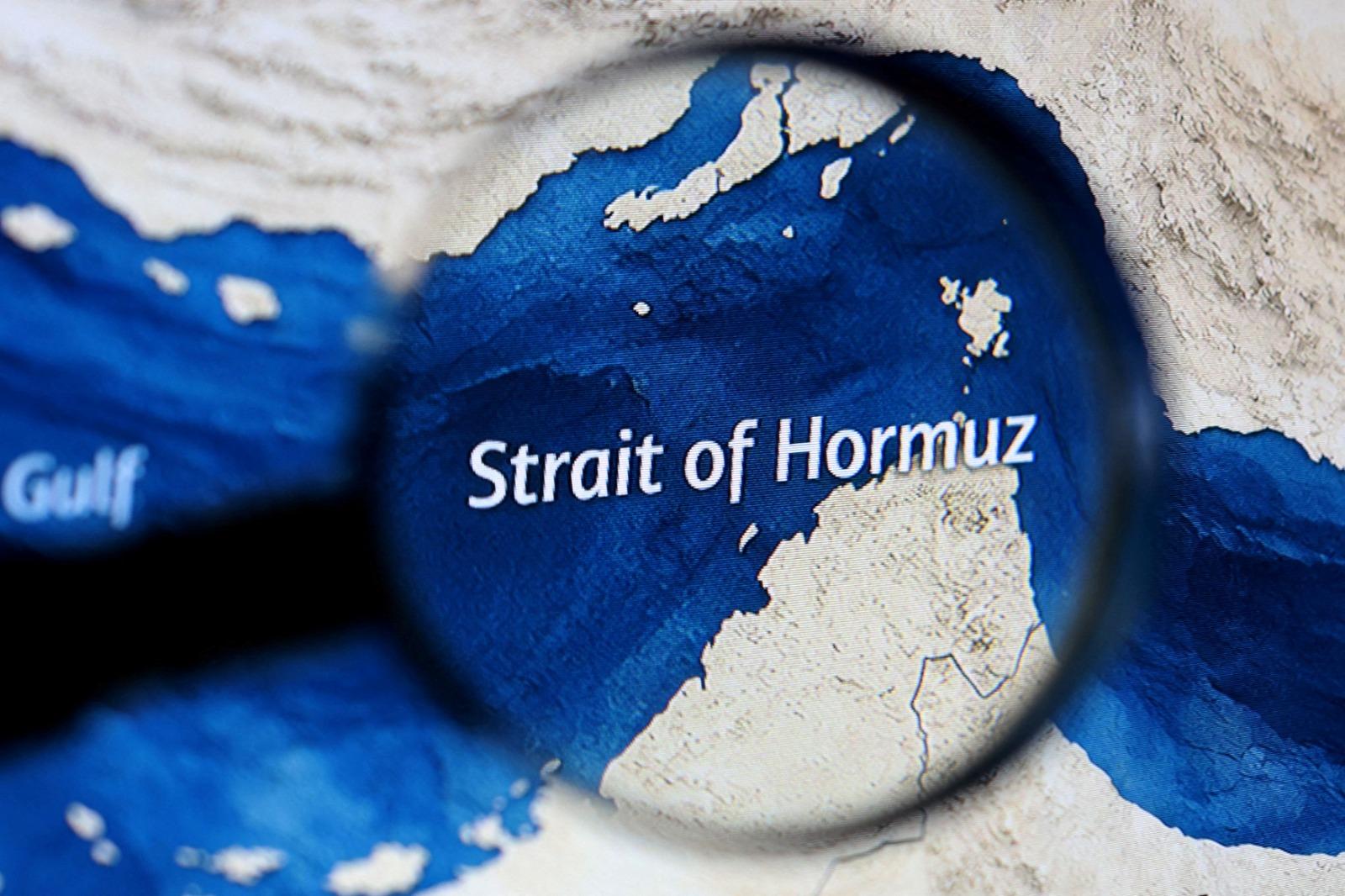
A tanker sanctioned by the United States has reappeared in the Strait of Hormuz after an apparent failed attempt to evade restrictions targeting vessels linked to Iranian ports.
Shipping data on April 15 showed that the vessel, Rich Starry, had exited the Gulf a day earlier but turned back, unable to break through what analysts describe as a tightening U.S. blockade. The move underscores escalating enforcement measures aimed at curbing maritime traffic associated with Iran amid ongoing geopolitical tensions.
Notably, the tanker was sailing under a Malawian flag, placing the southern African nation unexpectedly in the spotlight of a high-stakes international sanctions regime. While flag registration does not necessarily indicate ownership or operational control, it has raised questions about the oversight of open registries often used in global shipping.
Maritime experts say the vessel’s retreat highlights the growing difficulty for sanctioned ships to navigate key global chokepoints such as the Strait of Hormuz — a critical artery for the world’s oil supply. Increased monitoring and enforcement by U.S. authorities and allied partners have made it harder for such vessels to operate undetected or complete voyages tied to restricted destinations.
The U.S. has in recent months intensified pressure on networks accused of facilitating Iranian oil exports, warning that ships calling at Iranian ports risk sanctions, blacklisting, and denial of access to international shipping services.
There has been no immediate comment from Malawian authorities regarding the use of its flag on the Rich Starry. However, the development is likely to draw attention to the country’s maritime registry and its role in global shipping practices.
As tensions persist in the Gulf region, incidents involving sanctioned vessels continue to test the reach and effectiveness of international enforcement measures, while exposing smaller nations like Malawi to the ripple effects of global geopolitical disputes.