As the Malawi Government repatriates 645 citizens displaced by recent attacks targeting foreign nationals in South Africa(SA), some Malawians living in the country say they will remain there despite growing concerns over their safety.
The comments come as the Ministry of Foreign Affairs and International Cooperation facilitates the voluntary return of 645 Malawians who had sought shelter at Sherwood Town Hall in Durban, KwaZulu-Natal, following the attacks. The returnees are expected to arrive in Malawi through Mwanza Border Post on June 17, 2026, before undergoing screening and processing in Blantyre and reuniting with their families and communities.
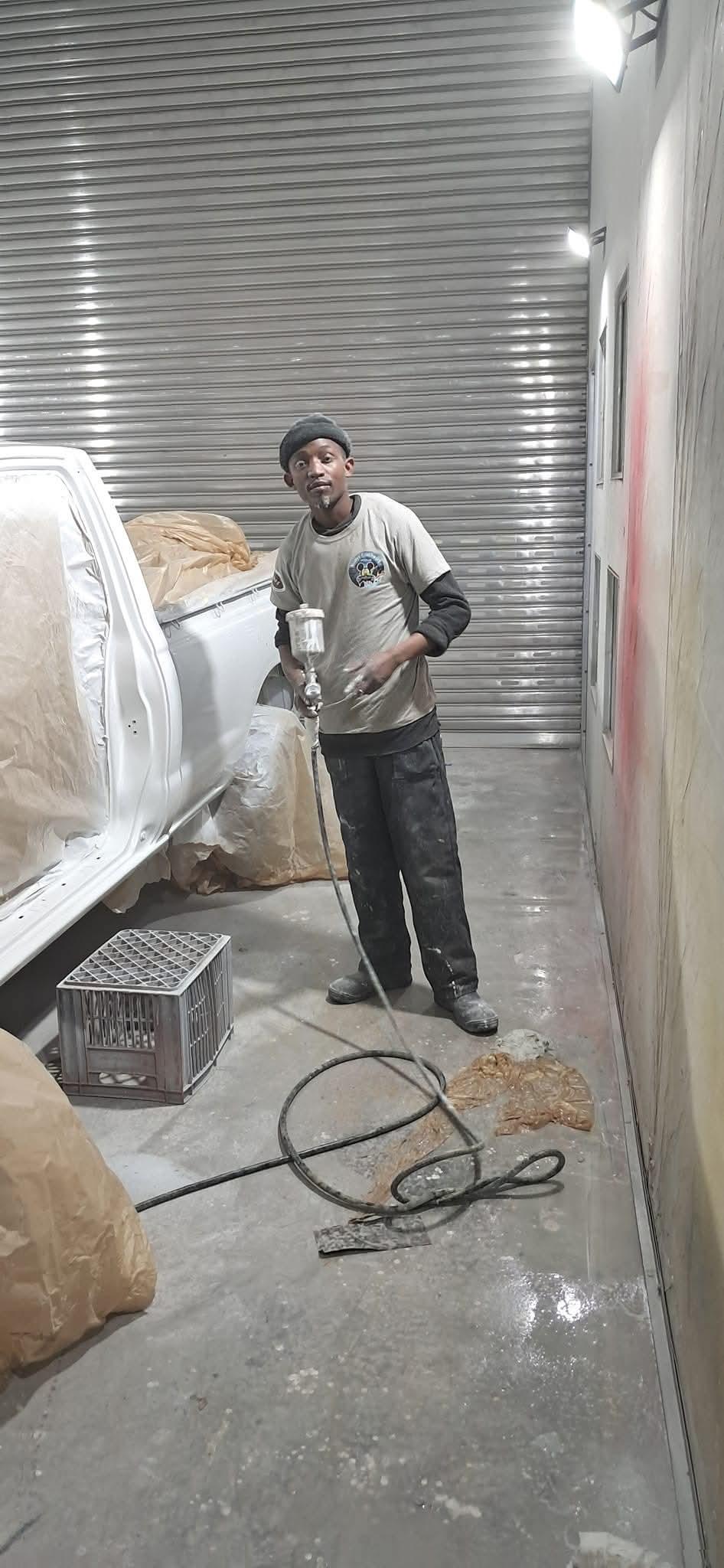
Speaking with Malawi News Agency, Justice Che Kwele, a Malawian automobile mechanic based in SA said not all foreign nationals, particularly Malawians, are likely to leave South Africa despite the recent wave of xenophobic attacks and deportations.
"Not all foreign nationals will depart from South Africa, no matter how dire the situation becomes. Many understand that every election cycle, foreigners are exploited as a campaign slogan to garner votes," he said.
Kwele also challenged the Malawian government to create better economic opportunities at home to discourage citizens from seeking livelihoods abroad.
"Why not demonstrate love and care for its people, thereby preventing them from fleeing to South Africa, where they often face hardships? Many Malawians are struggling to survive in South Africa, yet they continue to leave because opportunities are limited back home," he added.
Meanwhile, the Ministry of Industrialisation, Business, Trade and Tourism says it is still assessing the possible impact of the unrest on Malawian traders and businesses operating in South Africa.
Ministry spokesperson Patrick Botha said while the attacks and targeting of foreign nationals may create fear and disrupt business activities, it is too early to determine the extent of the impact.
"Of course, we may not rule out fear amongst business people or traders that are in South Africa because of the violence and targeting of foreigners from the rest of Africa, and this may create disruptions. But for now, we may not ascertain to what extent," said Botha.