The World Health Organization (WHO) has warned that the rapidly spreading Ebola outbreak in the Democratic Republic of Congo (DRC) could surpass the deadliest Ebola epidemic ever recorded, which killed more than 11,000 people in West Africa between 2014 and 2016.
WHO Director-General Tedros Adhanom Ghebreyesus said the current outbreak, driven by the rare Bundibugyo strain, was spreading at an unprecedented pace and was “on track to eclipse” the West African outbreak if the current trend continues.
More than 2,000 people have already died from over 4,300 confirmed cases in Congo, with the outbreak having spread to six provinces. Government figures showed 4,449 confirmed cases and 2,061 deaths as of August 11.
The speed of transmission has alarmed health authorities. The current outbreak reached 2,000 deaths in a fraction of the time it took the 2014–2016 West African epidemic to reach the same level. The earlier outbreak eventually recorded more than 28,000 cases and over 11,000 deaths.
The outbreak was officially declared in May, although genetic analysis indicates the virus had already been circulating since February. Most infections have been reported in eastern Congo, particularly Ituri Province, an area affected by insecurity, displacement and weak health infrastructure.
The response is also facing serious challenges, including shortages of health workers and protective equipment, misinformation and difficulties tracing people who have come into contact with infected patients. Health authorities say a large proportion of new infections are being detected outside monitored contacts, making containment increasingly difficult.
The Bundibugyo strain presents another major challenge because there is currently no approved vaccine or treatment specifically for it. However, clinical trials involving vaccines and treatments are underway as health authorities race to slow transmission.
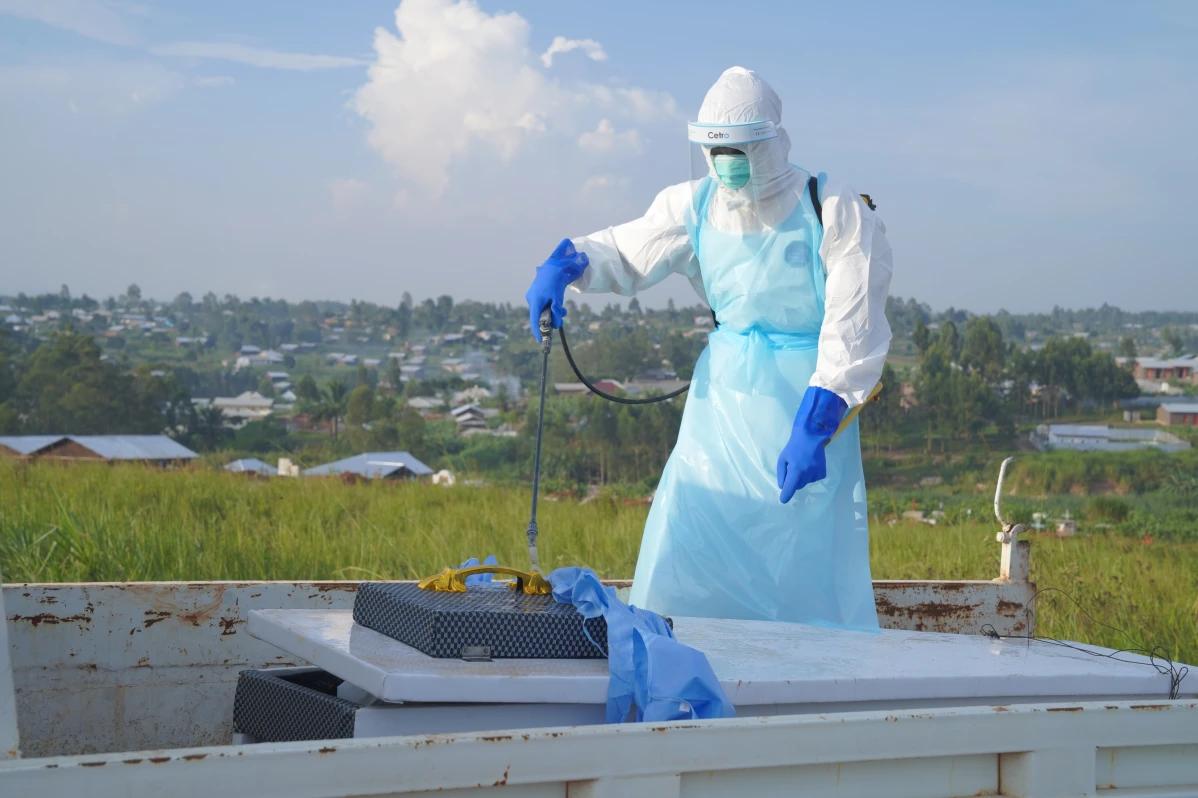
WHO and its partners are continuing surveillance, contact tracing, treatment and safe burial operations, but officials warn that the outbreak could continue for months.
For a region already struggling with conflict and limited access to healthcare, the warning has raised fears that Congo could be facing an Ebola catastrophe on a scale not seen since the devastating West African epidemic more than a decade ago.