
Fiji has declared a national HIV emergency following a sharp increase in new infections, with health authorities warning of a rapidly growing epidemic in the Pacific island nation.
The World Health Organization (WHO) said the declaration was made on 15 September 2026, after Fiji recorded a sustained rise in HIV infections despite efforts to strengthen prevention and treatment services.
Fiji recorded 2,016 newly diagnosed HIV cases in 2025, a 27 percent increase from 1,583 cases recorded in 2024, according to the country's Ministry of Health and Medical Services.
UNAIDS estimates that about 9,100 people were living with HIV in Fiji in 2025, but only 39 percent knew their HIV status and about 22 percent were accessing antiretroviral treatment.
The scale of the increase has been particularly concerning because UNAIDS estimates that new HIV infections in Fiji increased 12-fold between 2010 and 2025, while adult HIV prevalence has also risen significantly.
Injecting drug use and sexual transmission are among the major drivers of the epidemic. UNAIDS said more than 42 percent of cases where the mode of transmission was known were associated with injecting drug use.
The government has also reported growing concern over HIV among pregnant women and newborns, highlighting the need to expand testing and treatment to prevent mother-to-child transmission.
In response, Fiji is expanding free HIV testing, prevention and treatment services, including access to pre-exposure prophylaxis (PrEP) and harm-reduction services for people who inject drugs.
The government is also pursuing a needle and syringe programme aimed at reducing HIV transmission associated with the sharing of injecting equipment, while seeking to address stigma and discrimination that can discourage people from testing and accessing treatment.
WHO and UNAIDS have welcomed the emergency declaration, saying intensified prevention, early diagnosis, treatment and community-based interventions will be critical to controlling the epidemic and preventing further infections.
Fiji declares national HIV emergency after sharp rise in cases
Fiji has declared a national HIV emergency following a sharp increase in new infections, with health authorities warning of a rapidly growing epidemic in the Pacific island nation....
By editor·September 19, 2026·2 min read
3940


More in international news

international newseditor
Bollywood Actor Nana Patekar, Famous for Viral Memes, Dies at 75
Veteran Indian actor Nana Patekar, whose memorable screen expressions and performances made him a popular face in intern…
23 1
international newseditor
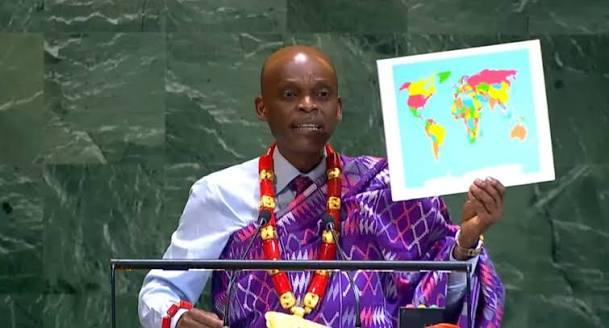
UN vote revives debate over Africa’s true size on world maps as US stands alone
The United Nations has overwhelmingly backed a proposal encouraging the use of world maps that more accurately represent…
4038 1

international newseditor
Singapore unveils major child support package amid record-low birth rate
Singapore has announced a new child support package that will provide up to S$62,000 (about US$49,000) in government sup…
5047 1