
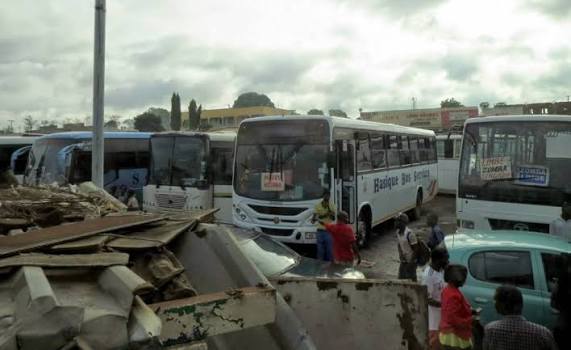

If there was any doubt that the latest fuel price surge would hit ordinary Malawians hard, transport operators have just cleared it up—loudly and expensively.
Two major players, Sososo Coaches and Kwezy Buses, have wasted no time adjusting their fares upward, reminding passengers that in Malawi, when fuel coughs, the economy catches pneumonia.
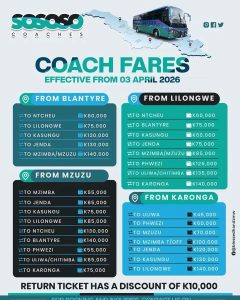
Effective 3 April 2026, Sososo unveiled its new fares, with some routes now pushing as high as K140,000. Not to be outdone, Kwezy rolled out its own neatly packaged tariff sheet—complete with adult and child pricing—as if to politely say: “Yes, it’s painful, but at least it’s organised pain.”
The message is clear: your wallet is now part of the transport system.
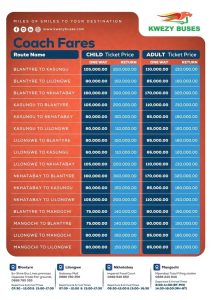
A trip from Blantyre to Lilongwe, once merely stressful due to distance and road conditions, is now a financial commitment. And if you thought hopping on a bus to Mzuzu was an escape plan, think again—it might require a small loan or a well-planned fasting period.
But the buses are just the opening act.
In Malawi’s delicate economic ecosystem, transport costs are the unofficial national thermostat. When fares rise, everything else follows. Tomatoes don’t drive themselves to the market. Neither does maize, cooking oil, or that second-hand bale your favourite vendor swears is “Grade A.”
Soon, traders will be adjusting prices with the same confidence as bus companies—because if it now costs more to move goods, it will definitely cost more to buy them. Expect your weekly market trip to feel like a luxury experience, minus the luxury.
And let’s not forget the ripple effect. Minibus operators will follow suit. Kabaza riders will “revise” their charges. Even the humble bicycle taxi might start negotiating like it’s an international contract.
Meanwhile, salaries—those loyal spectators in Malawi’s economic drama—will remain exactly where they are, bravely refusing to participate in the upward trend.
Of course, transporters will argue, rightly, that they have no choice. Fuel prices have surged, operational costs have ballooned, and staying in business means passing the burden to passengers. Fair enough.
But for the average Malawian, this is less about economics and more about survival arithmetic: what to cut, what to keep, and how to stretch the already overstretched.
So as buses hit the road with their updated price tags, one thing is certain—this is not just a transport story. It’s a preview of what’s coming to shop shelves, market stalls, and household budgets across the country.
In short, the journey just got more expensive—and unfortunately, we’re all on board.