

The world is entering a period of heightened instability as multiple conflicts intensify across key regions, raising fears of broader geopolitical crises. From the Middle East to Eastern Europe and parts of Africa and Asia, wars that once appeared contained now threaten to spill over borders, disrupt global markets, and deepen humanitarian disasters.
In the Middle East, tensions between Iran and Israel have surged dramatically. Coordinated strikes by the United States and Israel reportedly targeted Iranian assets, with claims that Iran’s Supreme Leader, Ali Khamenei, was killed in the escalation.
Iran responded with waves of missile and drone attacks aimed at Israeli territory and U.S. military bases in the region. The involvement of Hezbollah has further heightened fears that the conflict could spiral into a full-scale regional war.
Gulf states have expressed anger over Iran’s alleged targeting of areas near their territories, adding another layer of diplomatic strain. With the Middle East central to global energy supplies, the potential disruption of oil trade routes has already sparked concerns about rising inflation and economic instability worldwide.
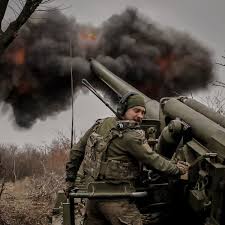
Meanwhile, the war in Ukraine continues with no clear end in sight. Russia has indicated it is unwilling to make major concessions, prolonging a grinding conflict that has reshaped European security and strained global alliances.
As Western nations maintain military and financial support for Ukraine, the conflict remains one of the defining geopolitical flashpoints of the decade.
In Africa, Sudan is enduring one of the world’s most devastating yet underreported crises. The civil war has claimed tens of thousands of lives and displaced millions, triggering a catastrophic humanitarian emergency.
Famine looms over vast areas as fighting between rival factions devastates infrastructure and blocks aid delivery. The conflict in Sudan underscores how regional wars can quietly spiral into large-scale human suffering with limited international intervention.
Elsewhere, violence persists in Gaza, where the Israel–Palestine conflict continues to take a heavy toll on civilians. Israeli strikes have also extended to targets in Yemen and Lebanon, inflaming regional tensions.
In South Asia, clashes between Afghanistan and Pakistan have intensified, with cross-border airstrikes adding to instability in an already fragile region. Southeast Asia remains unsettled as Myanmar’s civil war grinds on, displacing civilians and deepening humanitarian distress.
In Central Africa, armed groups in the Democratic Republic of the Congo continue to exploit natural resources, fueling cycles of violence and prolonging one of the world’s longest-running conflicts.
Taken together, these crises paint a sobering picture of a world facing simultaneous flashpoints, each with the potential to expand beyond its borders.
Global institutions are under pressure, humanitarian systems are stretched thin, and economic vulnerabilities are increasingly exposed. As nations navigate shifting alliances and security challenges, the risk of miscalculation looms large.
The coming months will be critical in determining whether diplomatic efforts can contain these conflicts—or whether the world edges closer to a broader era of confrontation and instability.